What Numbers Cafe Owners Should Look at Daily (and what to ignore)

Bustle Team
Tell your friends


Table of Contents

Built for the pace of hospitality
Bustle turns ordering, reporting, rostering and planning into jobs you actually look forward to
TRY BUSTLE FREEMost hospitality owners don't need more data. They need fewer numbers, looked at more often, for the right reasons.
Running a cafe throws numbers at you all day. Sales. Labour. Margins. Reports. And somewhere along the way, you're told: "You should be checking your numbers every day."
Which... don't get us wrong... is technically right.
But it's often the reason numbers start feeling too heavy instead of helpful.
The real problem.
Late at night, you open a report and see a lot of information, but no clear signal. So you either overthink every dip, or you stop looking altogether.
Neither of these gives you control.
Daily numbers can quietly turn into self-judgement.
"Why was today down?" "Did we mess something up?" "Are we actually making money?"
When numbers don't come with context, they don't create clarity - they create pressure.
A grounded way to think about daily data
Here's the Bustle view:
Daily numbers aren't for judging performance. They're for steering behaviour.
And here's what we suggest:
If a number doesn't change what you do tomorrow, it doesn't deserve your attention today.
That one rule removes most of the noise.
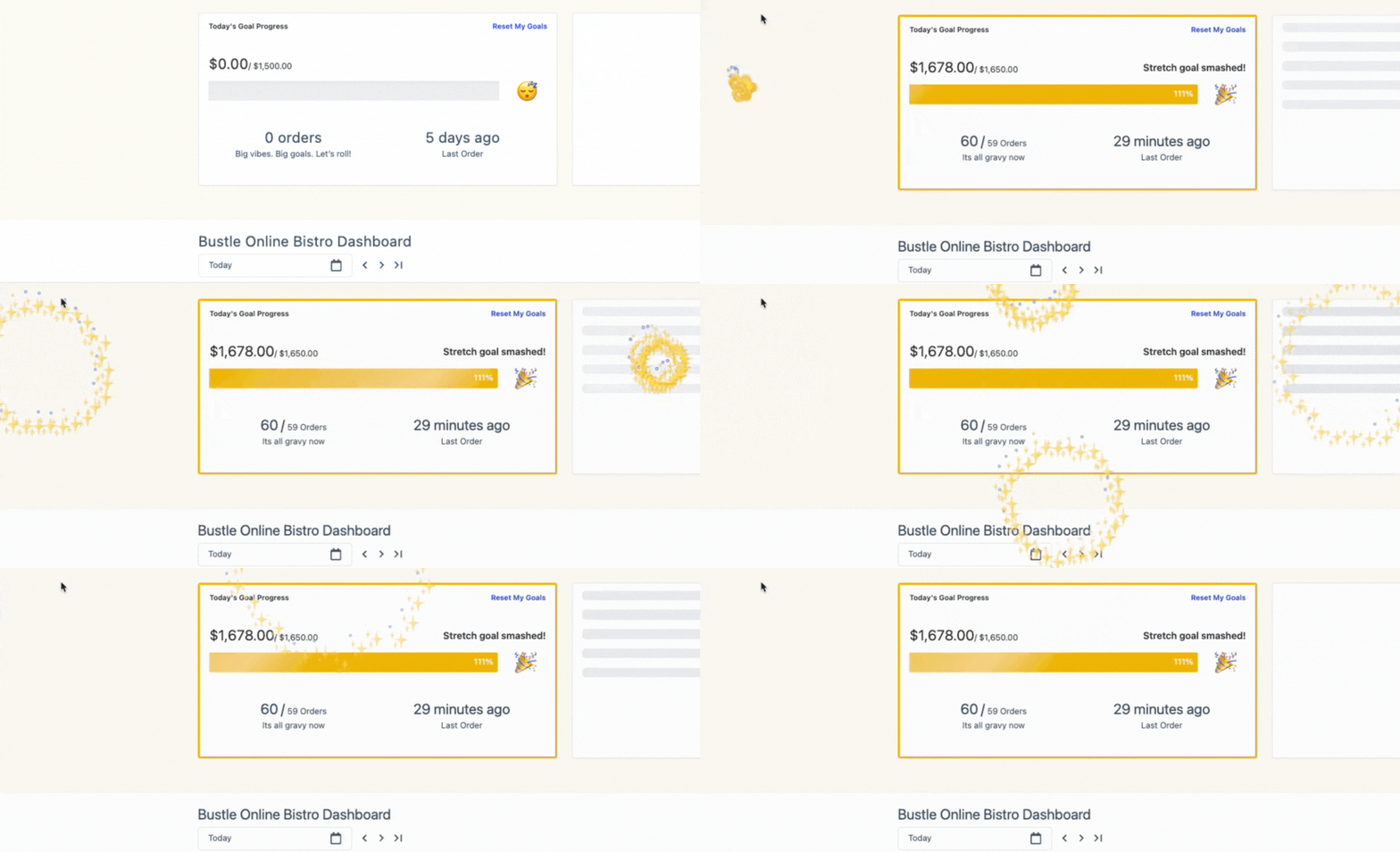
Start with one anchor: Your goal
Without a goal, daily numbers are just activity. (No goals - set some!)
A clear daily target gives your numbers a job:
- Did we hit it?
- Did we come close?
- Were we off - by how much and why?
Next, add a little context. Check today against:
- The same day last week?
- A short rolling average? (last 3 weeks)
- Last year ? (if it's meaningful to do so)
Now today isn't random. It's part of a pattern you can learn from.
Labour: watch it like a dial, not a weapon
Daily labour checks shouldn't be about blame. They're about balance. And they should be a daily decision, not a monthly one.

A simple daily look:
- Hours worked vs hours planned
- Sales per labour hour (or a rough labour %)
- Who in your team works best with who
This tells you, in real time:
- Are we staffed right for the trade we're seeing?
- Do we need to adjust before tomorrow?
- Do we need to enable technology that can help our efficiency?
Look for movement, not perfection
Daily numbers are great at spotting change:
- If sales are pacing slower than usual
- If transactions down but average spend is up
- A menu item suddenly flying - or falling off a cliff
They're terrible at telling the full profit story. Trying to calculate perfect margins every day often creates false precision, especially if costs, recipes, or yields aren't constantly updated.
Daily data shows what changed. Weekly and monthly data explain what it meant.
What to ignore (for now)
Some numbers matter - just not daily:
- "Perfect margin" maths
- Long-term profit ratios
- One-day spikes without context
- Vanity metrics that don't change behaviour (e.g. social media numbers)
If it doesn't help you act differently tomorrow, it can wait.
The Bustle way
Great café owners don't win by staring at dashboards all night.
They win by setting a clear goal, watching a few meaningful signals, adjusting early, and staying human about the rest.
Daily numbers should give you confidence, not dread.
Use them to steer, not score. That's when the numbers finally start working for you. Keen to talk more?